Flower and plant market shows resilience in a challenging second quarter of 2026
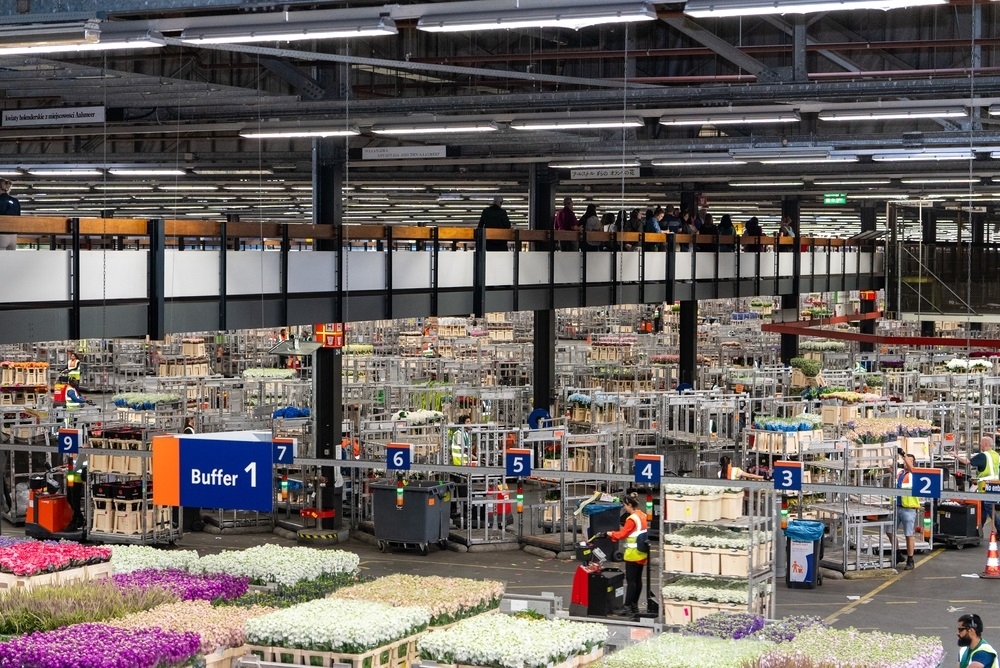
Amid a period of economic uncertainty, geopolitical tensions and fluctuating consumer confidence, the floriculture sector is holding its own. In Q2 2026, Royal FloraHolland traded 4.8% fewer flowers and plants than last year, whilst turnover fell by 2.7%. The limited decline in turnover compared to the drop in volume shows that pricing remained stable in many product groups.
Thomas Bugel, Chief Grower Value Management: “Despite the challenging circumstances, flowers and plants remain as popular as ever. Greening our living environments is high on the agenda, particularly as we are increasingly faced with very hot days and heat stress.”
Market overview: from price pressure to balance
The first quarter still saw volume growth accompanied by price pressure, but in Q2 supply was lower across several product groups. This brought supply and demand into better balance, resulting in more stable prices for both flowers and plants. However, the increasing fragmentation of transactions – whereby a grower’s consignment is more often split into smaller orders – is leading to extra work in logistics.
Garden plants as a notable exception
Within the garden plants category, the picture was more positive than for cut flowers and houseplants. Although volume fell by 6.0 per cent, the average price increased by almost 6 per cent. This makes garden plants one of the product groups with the strongest price performance in Q2.
One possible explanation is that consumers continue to invest in their homes and gardens, even in times of economic uncertainty. As a result, demand for garden plants remains relatively stable. Lavandula (growth in both volume and turnover) and Hydrangea (turnover held steady thanks to better pricing) stood out particularly positively.
Source: Fora Holland