‘If you want certainty, you also have to make a commitment’
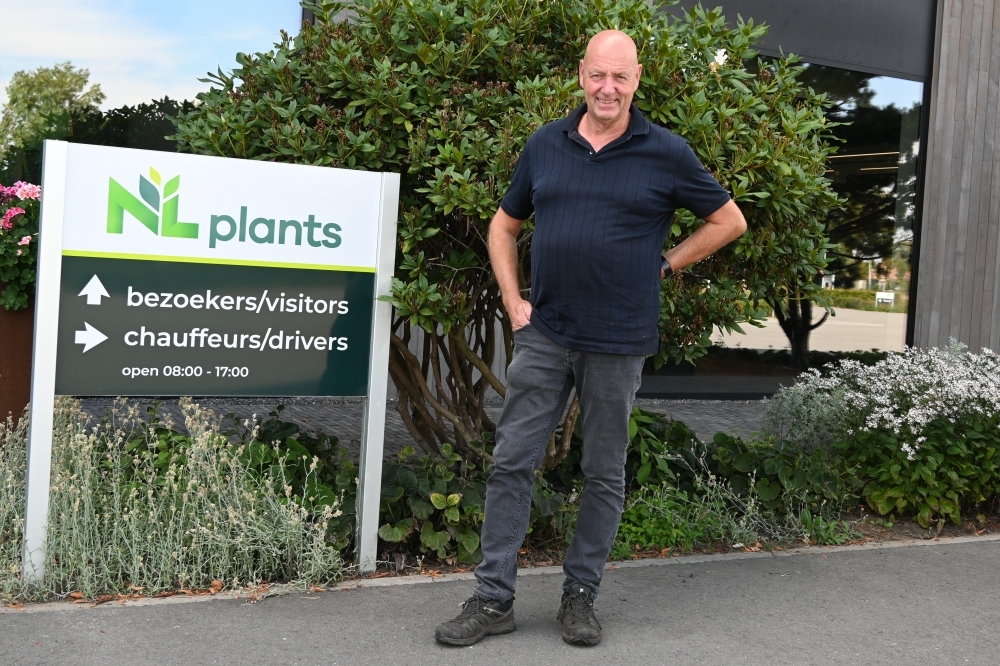
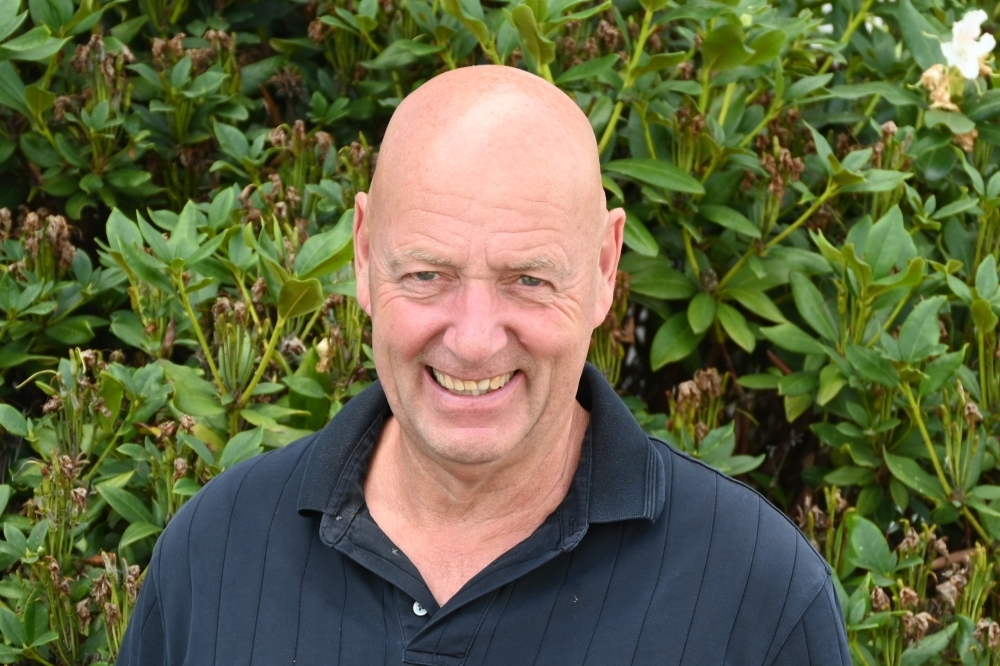
Marc Lodders expects NL Plants to grow again this year. The company has built up a strong position in native plant material and selected material for European forestry. Particularly now that certain plants and origins are not always available, Lodders is noticing that customers want to plan further ahead. Reservations are possible, as is production on demand. But the risk should not lie solely with the grower.
Marc Lodders describes himself as an optimist. That does not mean he simply produces in the hope that the market will eventually buy the plants.
At NL Plants, where he handles sales together with his daughter Loïs, the company is increasingly looking further ahead. This has everything to do with the products in which the company specialises: native plant material and selected material for European forestry.
“In this region, we are the strongest partner when it comes to native materials. In addition, we have all the selected material for European forestry. Those are the two pillars that form our foundation.”
It is precisely with these products that Lodders is noticing that availability is becoming increasingly important. Customers who were unable to obtain the material they needed in the past are now approaching the company to secure plants for a future season.
“People want to enter into contracts to ensure they have certain plants available in the future, because they are missing out on them now.”
NL Plants is prepared to respond to this and adjust its production accordingly. For Lodders, however, this also requires commitment from the customer.
“In that case, I want a guaranteed down payment. That's a requirement for me to start.”
Europe as a market
That approach fits a company that has to plan far ahead. Production of forestry and landscape plants is started before it is known exactly how demand will develop. At the same time, NL Plants has a broad network through which to sell its production.
That network extends across Europe. Eastern Europe is important as well. For NL Plants, the autumn season there generally starts earlier than in the Netherlands. GrootGroenPlus then marks the start of the Dutch autumn season, and from October onwards, demand from landscapers and landscape projects also picks up strongly.
That international spread proved valuable last spring.
IPM Essen went particularly well for NL Plants. The company has been a participant there for around twenty years now, and the trade fair has partly developed into a relationship-building event for the company. Even so, NL Plants once again managed to attract new customers.
“We had a new stand design. We were basically still doing the same thing, but somehow that stand caught the attention of exactly the people who needed our plants.”
Trade remained strong after the fair. March was good and everything pointed towards a strong spring.
Until April.
No cherries, just the pit
After Easter, trade suddenly came to a standstill. Not only in the Netherlands, but across almost all of Europe.
“Normally, April is still a very strong trading month. It's the cherry on the cake. But the cherry didn't come. Or only the cherry pit.”
Lodders attributes this largely to the weather conditions. It was already dry and temperatures had risen considerably on several occasions. Projects that would normally still be carried out after Easter were postponed.
Despite the loss of April, NL Plants recorded a substantial increase in turnover during the first period. According to Lodders, this came from both price and volume.
“We didn't just factor in the price. We also sold the volumes. That makes it all the more remarkable that April was so disappointing.”
Moreover, some of the missed spring demand has not disappeared. Projects that were put on hold at the time because of drought and heat will eventually still have to be carried out.
More demand, fewer large sizes
A second development could add to this demand this autumn. The hot and dry summer has affected a great deal of young planting. Lodders is seeing losses particularly where recently planted greenery received insufficient water or aftercare.
Projects that need to be replanted will generate replacement demand. At the same time, the same weather has also affected production at nurseries.
“Because of the extreme heat, the plants became stressed. They simply grew less.”
According to Lodders, this does not necessarily say anything about their quality. A plant can be healthy, well rooted and have a good height-to-diameter ratio, yet still have fallen just short of the intended market size.
“We have fewer large sizes. So we will see a shift towards smaller sizes.”
This could create an unusual situation: postponed projects and replacement demand will increase the need for plant material, while certain larger sizes will be less readily available.
Ten percent growth
For NL Plants, Lodders mainly sees opportunities in this. He expects the company to achieve turnover growth of around 10 percent over the full year.
He does not base that confidence solely on the possibility of a strong autumn. More importantly, he says, NL Plants offers products for which there is specific demand and which are not always readily available elsewhere.
The growing interest in reserving plant material in advance is perhaps the clearest indication of this.
For Lodders, this is also changing the relationship between producer and customer. A grower can invest years in advance and ensure that specific plants are available. But when a customer wants that availability to be guaranteed in advance, something should be offered in return.
“If you want certainty, you also have to make a commitment.”