Dutch ornamental plant industry sounds alarm bell: scrap the VAT increase on flowers and plants
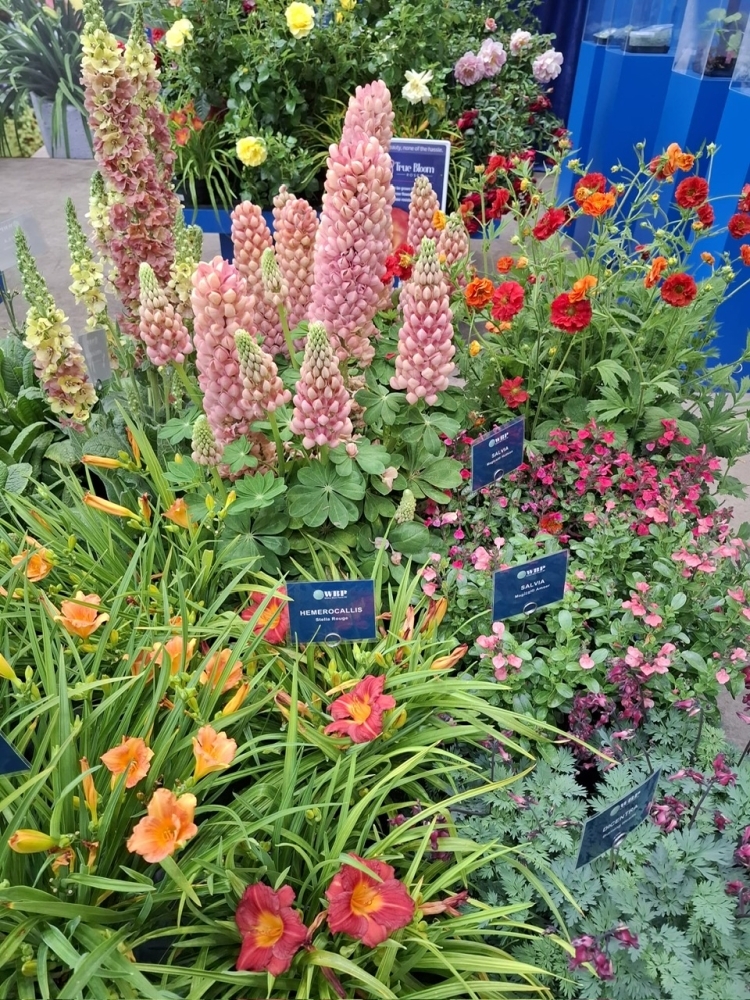
The Dutch ornamental plant industry is sounding the alarm bell as the government stands by its plan to increase VAT on flowers, plants, trees and bulbs from 9 to 21 per cent. The measure will make greenery more expensive, harm businesses throughout the supply chain and is counteractive to ambitions for sustainability, greening, health and wellbeing. The industry is therefore urgently calling on coalition and opposition parties in the House of Representatives and the Senate to scrap the VAT increase. This measure runs counter to greening ambitions and will result in hundreds of millions of euros in economic damage.
“The government wants to promote sustainability and invest in a healthy living environment, yet it is making the very products that contribute to this more expensive. Flowers and plants are not a luxury. They bring people together, cool our cities and make the Netherlands a more liveable place. That is why we are asking politicians: scrap this VAT increase,” said Pieter Bootsma, CEO of Royal FloraHolland, on behalf of the collaborating organisations in the ornamental plant industry.
VAT increase runs counter to greening ambitions
Plants, trees, flowers and bulbs contribute to green homes, gardens, neighbourhoods and cities. In urban areas, greenery helps, amongst other things, to reduce heat stress, absorb torrential rain and enhance biodiversity. Particularly at a time of heatwaves, drought and flooding, it is contradictory to make these products more expensive.
Revenue significantly lower than forecast
The estimated tax revenue is based on demand remaining virtually unchanged. However, research by Wageningen University & Research (WUR) shows that higher consumer prices lead to lower demand for flowers and plants. As a result, according to the calculations, the treasury will not receive the budgeted 328 million euros, but a maximum of approximately 213 million euros in additional revenue.
Economic damage affects the entire supply chain
Recent research by Decisio (2026) estimates that the VAT increase will lead to a fall in turnover of between 546 and 627 million euros in the direct ornamental horticulture supply chain. Of this, 318 to 391 million euros will be borne by the retail sector, whilst the wholesale sector will also be significantly affected. Due to the knock-on effects on sectors including transport, packaging and business services, the total decline in turnover amounts to between 674 and 830 million euros.
According to the study, total added value will fall by between 265 and 326 million euros and employment by between 2,280 and 2,820 FTEs. This loss of over 540 full-time jobs will also result in a shortfall in income tax revenue and higher expenditure on unemployment benefits. Furthermore, the scope for investment in sustainability will diminish, and the international competitive position of the Dutch ornamental plant industry will come under pressure.
Experiences in Spain show that a VAT increase can have major consequences. Following a fall in turnover and a wave of bankruptcies amongst florists, the reduced VAT rate was reintroduced there. The ornamental plant industry wants to prevent the Netherlands from making the same mistake.
Call to politicians: scrap the VAT increase
The ornamental plant industry calls on the government and the coalition and opposition parties in the House of Representatives and the Senate to scrap the proposed VAT increase. The measure will generate less revenue than budgeted, cause significant economic damage and hinder the greening of the Netherlands. Flowers, plants and trees bring people together, contribute to well-being and make our living environment greener, healthier and more liveable. That is precisely why they must remain accessible and affordable.