- HOME >
- NEWS >
- Cultivation 11-11-2026
The future of Monumental Trees in Italy
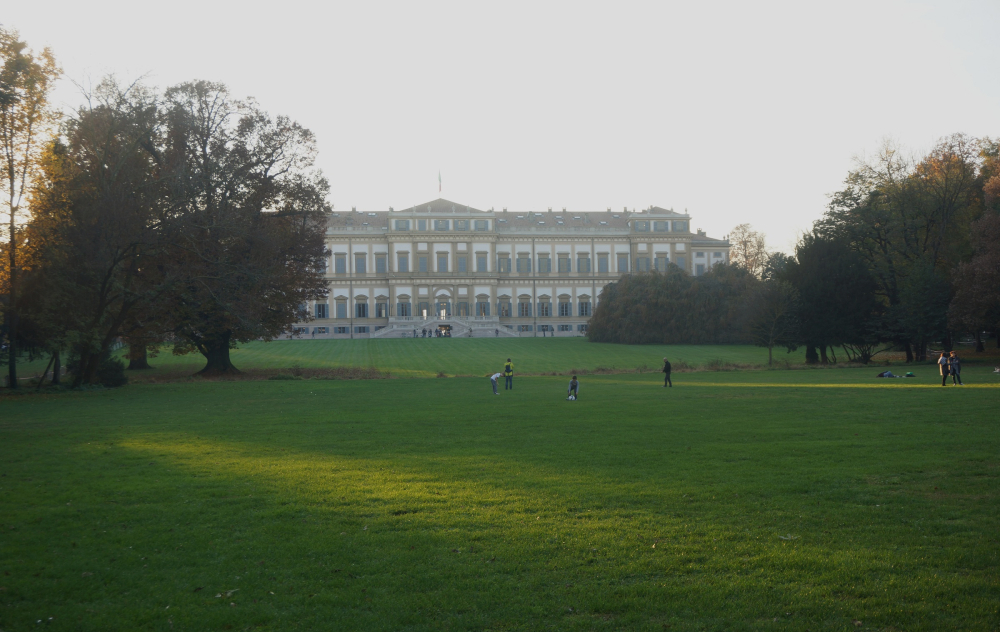
When we visit a park, a garden or a forest, main attractions are always the bigger trees, especially if they are monumental specimens. We must thank our ancestors for providing us these plants and we should think how we can give the future generations trees that can become hundred years old or more.
In Italië staan de oudste planten in de natuur: een olijfboom (Olea europaea var. oleaster) op Sardinië wordt geschat op 4000 jaar oud; een exemplaar van Castanea sativa (de kastanje van de 100 paarden) op Sicilië zou 3500 jaar oud zijn en een prachtige Quercus pubescens in Toscane (de Eik van de Heksen) zou meer dan 600 jaar oud moeten zijn. Andere geslachten die zeer oude bomen hebben voortgebracht, waren Fagus, Acer, Tilia, Ulmus, Fraxinus en naaldbomen zoals Abies en Pinus.
Plant hunters
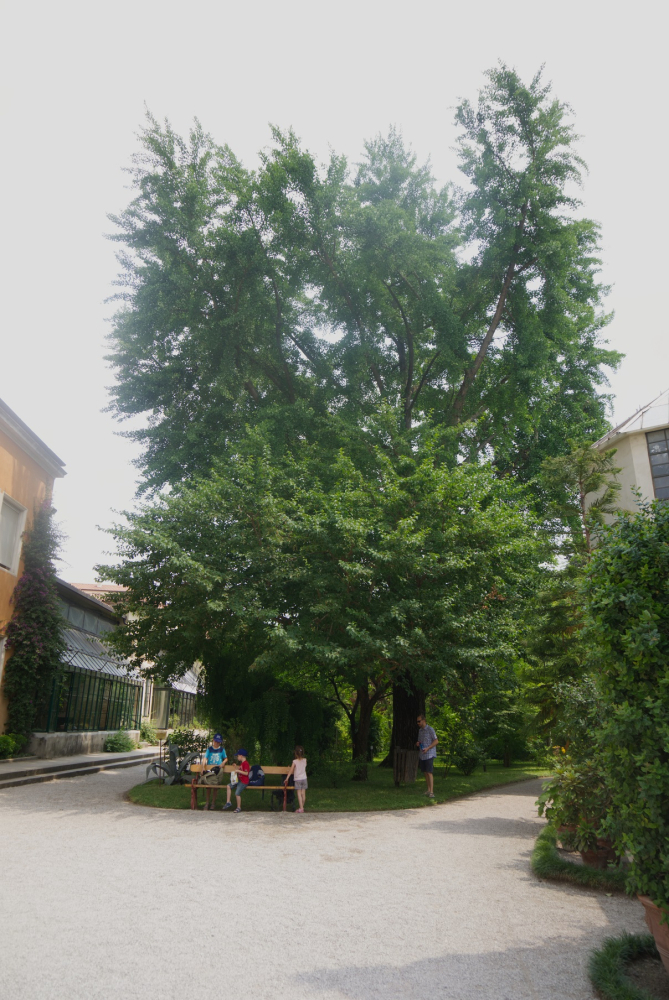
However, it was between the second half of the 18th century and the first half of the 19th that - together with local species - plants coming from other continents started to be planted in the parks and the villas of nobles and wealthy people. It was the era of the ‘plant hunters’ and the owners of the most beautiful gardens were competing for getting plants from other parts of the world. Broadleaf plants, like Platanus, Aesculus, Liriodendron and Ficus (in Sicily there is one in Palermo that is 30 meters in height and 20 meters diameter), and conifers like Cedrus, Sequoia, Taxodium and Sequoiadendron are in this list. In the botanical gardens in Padova there is the most ancient specimen of Gingko biloba in Europe, planted in 1750: it was a male plant, however a female branch was later grafted and bears lot of fruits.
In some instances, the introduction of some species that later became monumental trees was negative for the environment: Robinia pseudoacacia was found to be invasive in Northern and Central Italy and the same is happening with Ailanthus altissima.
Climate change
The main problem is that we cannot control the climate change, in Italy as well as in all over the world: temperatures are raising and in Northern regions many trees have lost part of their leaves already in the middle of August. It’s clear that plants like Fagus, Betula, Poplar and Salix will have to be planted at higher altitudes than now.
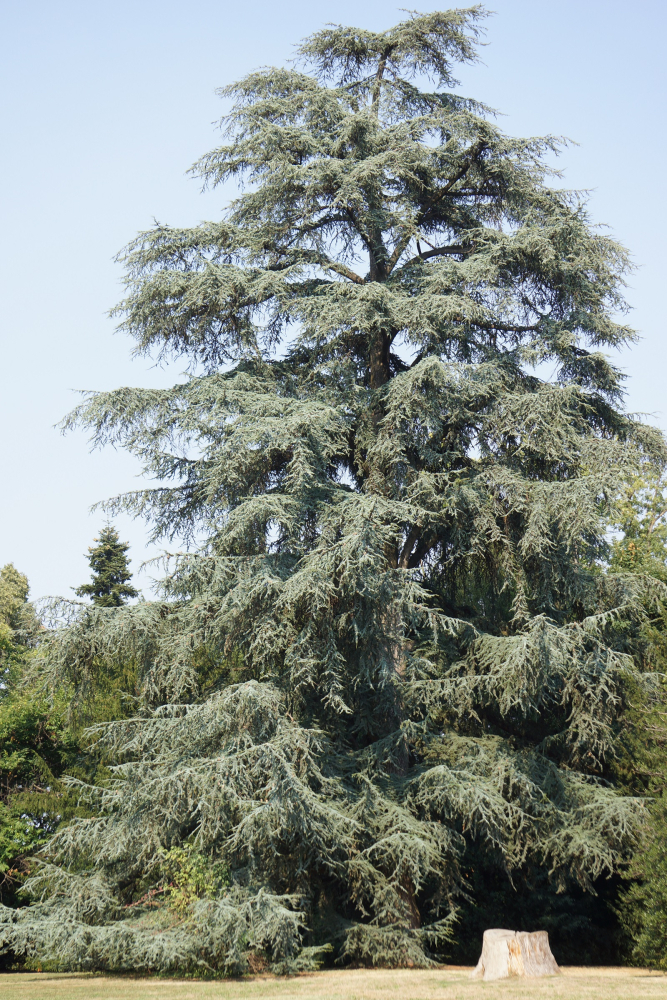
Furthermore, this year Northern Italy had the worst possible combination for a plant: hot weather and dryness. Rain is not falling for months; rivers and lakes – the Po River (the longest one in Italy) included, were almost dry. When rain will finally come will almost surely cause severe damages for wind, hail and almost tropical storms, especially for the taller trees and to those that were planted in a wrong place, often with roots much smaller than they should be. Cedrus species (Cedrus libani, C. atlantica and C. deodara) were often planted in wrong positions and are now the first victims of strong winds.
Which plants will adapt?
So, which will be the plants that will adapt to the new conditions? Probably some plants that are now good for central and southern regions, like Quercus ilex and Q. pubescens, more resistant to dry conditions than Q. robur and Q. petrea, will expand their areal northwards. Carpinus betulus will be probably replaced by Ostrya carpinifolia. Already now Olive trees (Olea europaea) and Cupressus sempervirens are planted in these regions, especially near the lakes but also in the cities. Other suitable plants are those that are already resistant to extreme temperatures, like Celtis australis, and some hardy palms, like Trachycarpus fortunei. Therefore, the landscape in parks and villas will probably change already in the next years.
Text and photos: Aldo Colombo