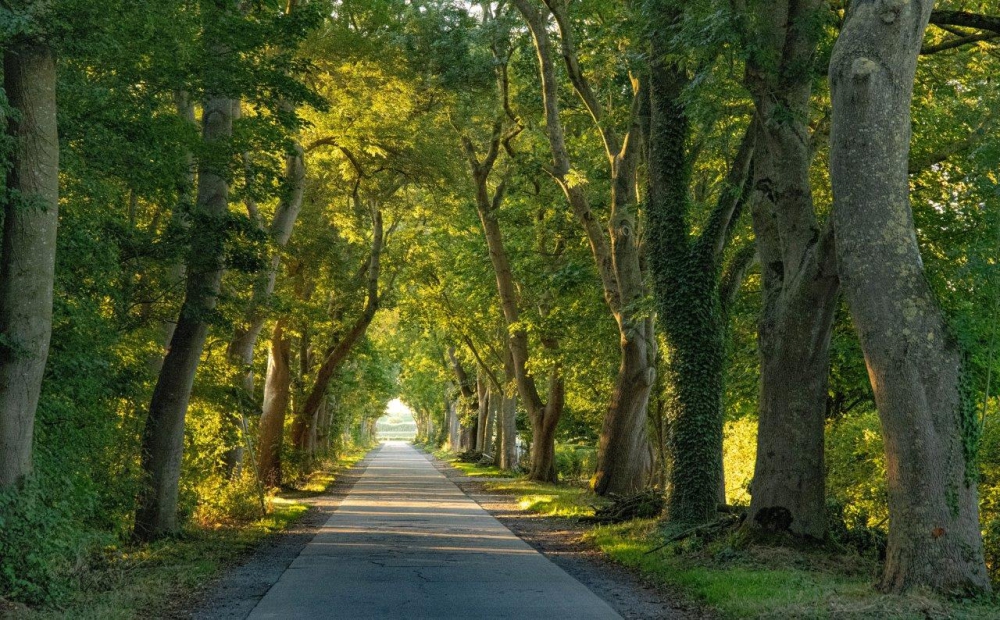
’Avenue of the Year’ competition in Germany – an opportunity for the tree nursery industry
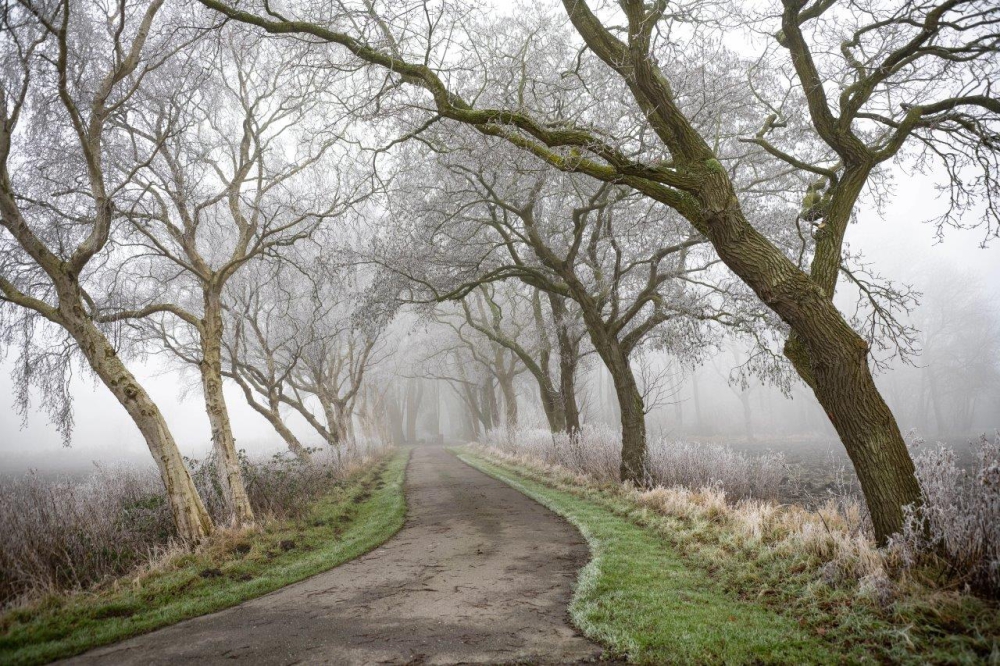
Avenues deserve special protection for their ecological value and for their cultural and historical significance. However, many are endangered by road construction, soil pollutants and other negative influences. This has prompted the German Association for the Environment and Nature Conservation (BUND) to launch the Allee des Jahres('Avenue o the Year') initiative.
BUND is an association committed to nature conservation and environmental protection in a variety of ways. With the Avenue of the Year photo competition, it aims to draw attention to the diversity, beauty and conservation value of avenues in Germany. BUND awarded the ‘Avenue of the Year’ prize for the first time in 2008. The competition is accompanied by extensive media coverage and leads to numerous publications in regional and national media.
How avenues are protected in Germany
With Katharina Dujesiefken, BUND has its own advisor for tree and avenue protection in Mecklenburg-Western Pomerania. With a view to the 2025 winners, Dujesiefken emphasised: ‘Avenues are the lifelines of our landscape. They connect places and generations – and they show a different face in every season. The competition has wonderfully demonstrated how deeply people are touched by the atmosphere and changeability of these rows of trees.’
Mecklenburg-Western Pomerania is one of the federal states with the most avenues. Only Brandenburg has more. The fact that there are so many avenues in these regions in eastern Germany is due to historical reasons: in the past, when people travelled by horse or carriage, these rows of trees served to mark paths and provide protection from the sun and wind. In western Germany, old avenues were destroyed on a large scale after the Second World War e.g. to make way for wider roads. In eastern Germany, behind the Iron Curtain, there were fewer cars and therefore fewer road construction projects. As a result, more avenues survived there.
Political support
At the highest political level, there is now an initiative that is doing its utmost to protect the avenues: The parliamentary group ‘Kulturgut Alleen’ (Avenues as Cultural Heritage) wants to preserve and expand the tree population along country roads. This cross-party alliance was first formed during the 2013-2017 legislative period and again in 2018, and it is advised by the Association of German Nurseries (BdB) e.V.
The parliamentary group is also campaigning for funds to be made available for protecting avenues. In 2022, federal funds amounting to 8 million euros were approved for the protection and development of avenues, as well as for replacement measures. In 2025, following the federal elections, parliamentarians formed again a working group to protect avenues.
Germany is a country of avenues
The large number of tree-lined roads and paths in the Leybuchtpolder, where the winning photo was taken in 2025, is no coincidence: the trees were planted as part of the landscape planning after the Leybucht was diked in 1954. The avenues are distinctive features of the flat marsh landscape and provide important wind protection.
In other parts of northern Germany, there are also many roads lined with old trees. The small village of Hunteburg even describes itself as the ‘Village of Avenues’. This municipality is unique in the region in this respect: six impressive avenues of lime trees lead towards the village like the rays of a star. The old trees are the pride of many Hunteburg residents, who have successfully campaigned for the preservation of their avenues. However, the trees on the edges of country roads are not only threatened by construction measures or work in the root area, but also by e.g. climate change, ageing and road salt.
Avenue trees and their significance
Avenues make a valuable contribution to climate and species protection. They are important habitats for insects, bats and birds, especially in landscapes far removed from nature. However, old avenue trees are not only biotopes that provide a home for a variety of animals: the rows of trees that line roads and paths are unique because they connect habitats of native wildlife, forming green corridors.
Avenues are also important for tourism, for example as part of the Deutsche Alleenstraße (‘German Avenue Road’). Holiday roads are selected travel routes dedicated to a specific theme and leading to corresponding sights. The Deutsche Alleenstraße stretches from Constance in the south of the country to Rügen in the north. It consists of individual sections with avenues worth seeing and is 2,900 kilometres long in total. It was created after German reunification and is supported by the German Tourism Association and the German Forest Protection Association, among others.
But that's not all: since 2008, Germany has celebrated ‘Avenue Day’ on 20 October. In keeping with the autumn planting season, the winners of the ‘Avenue of the Year’ photo competition are announced on this day. The date was deliberately chosen because 20 October is ideal for tree-planting projects. Representatives of cities and municipalities can then pick up their spades and symbolically kick off tree planting in their region.
Text: Anke Bührmann