Germany accelerates transition to peat-reduced and peat-free substrates in the tree nursery industry
The German tree nursery industry is accelerating the transition to peat-reduced and peat-free substrates. Across several federal states, demonstration projects are supporting nurseries in testing alternative growing media as part of Germany’s strategy to significantly reduce peat use in professional horticulture by 2030.
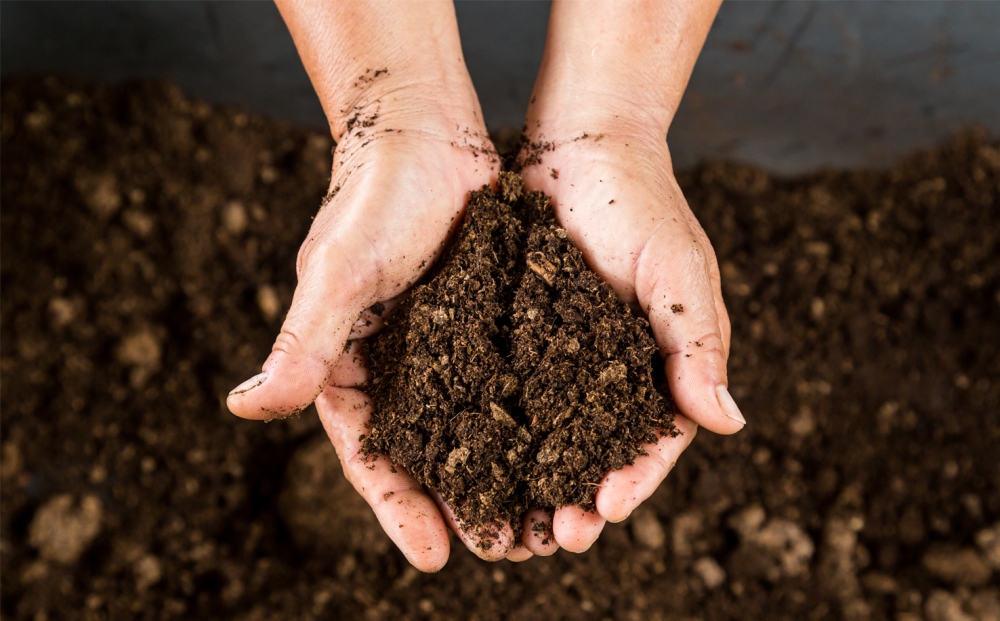
Peat has long provided a stable and predictable base for container production due to its uniform structure and reliable water retention capacity. However, concerns about carbon emissions from peat extraction have increased political and societal pressure. Germany has therefore committed to substantially lowering peat consumption, a move that directly affects professional tree nursery production.
Demonstration projects driving practical implementation
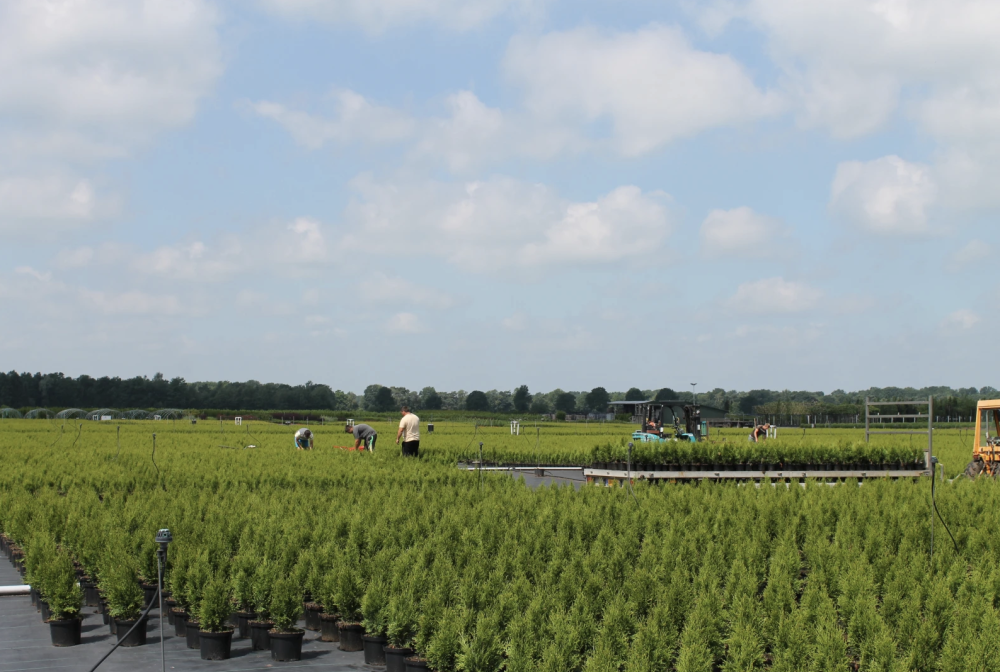
One of the central initiatives in this transition is ToSBa 2, a project focusing on the practical introduction of largely peat-reduced and peat-free substrates in tree nurseries. In regions such as North Rhine-Westphalia, Lower Saxony and Baden-Württemberg, participating nurseries are working with mixtures in which more than half of the peat component has been replaced by alternative raw materials.
The emphasis lies not only on technical feasibility but on commercial applicability. How do different tree species respond to peat-reduced substrates? What adjustments are required in irrigation and fertilisation? And how can consistent root quality be maintained under market conditions? By addressing these questions in real production environments, knowledge is generated that can be shared across the wider nursery industry.
Adjustments in cultivation strategy
Switching to peat-reduced substrates requires growers to reconsider cultivation strategies. Alternative raw materials differ in structure, aeration and nutrient buffering capacity. These differences directly influence irrigation schedules and fertiliser management. In some cases, container selection and watering frequency may also need adaptation.
For growers, risk management remains essential. Product quality and delivery reliability must be safeguarded. Demonstration nurseries therefore serve as practical learning environments where both technical performance and economic impact are carefully monitored.
Broader European implications
Germany’s transition towards peat-reduced and peat-free substrates reflects a broader European trend. Several countries are intensifying efforts to reduce peat use in professional growing media. What is currently being tested in German nurseries may therefore influence the direction of the wider European tree nursery market.
For growers across Europe, including the Netherlands, these developments offer valuable insight into managing a gradual and controlled transition. The shift towards sustainable substrates is not a simple switch, but a structured process in which innovation, cooperation and practical experience are decisive.