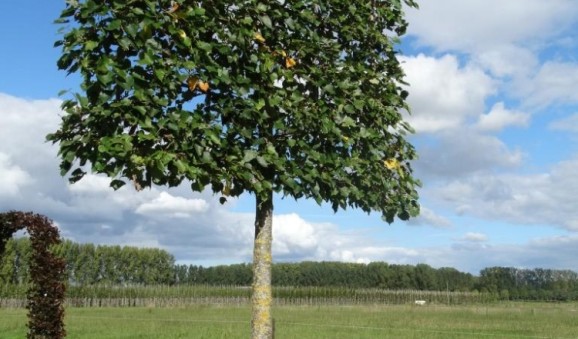
Growers' Pride: Tilia mongolica 'Buda'
Anyone who associates lime trees primarily with large trees and wide crowns should take a closer look at Tilia mongolica ‘Buda’. This selection of the Mongolian lime remains relatively compact, eventually reaching around 8 to 12 metres, and has a distinctive appearance thanks to its foliage and crown shape.
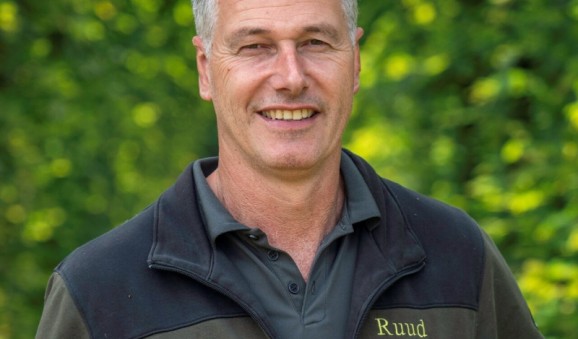
‘The eye of the master cannot be mechanised’
Mechanise whatever you can. It has almost become a rule in tree production. At Van den Berk, however, there is a clear limit to how far mechanisation can go. A roof-trained tree, screen tree or standard with a block-shaped crown does not become perfect by itself. People spend years pruning, training and shaping these trees. With some crops taking up to six years to produce, Ruud van den Berk also has to decide today which trees the market will want tomorrow.

Showcase your innovative strength at the trade fair and stand a chance of winning the Zunderts Groen Imago Prijs
Are you an entrepreneur actively working on sustainability, innovation and collaboration? And will you be showing at GrootGroenPlus how your company contributes to a strong, green tree nursery region? Then you could be in the running for the Zunderts Groen Imago Prijs.

Rick Zagers: alderman with an eye for greenery and entrepreneurship
Rick Zagers has been an alderman in Zundert since May 2026. He is an alderman on behalf of the Zundert VVD. In addition to traffic, sports, education and facilities, his portfolio also includes economic affairs. This means that he will also have a great deal to do with the tree nursery sector in our municipality.
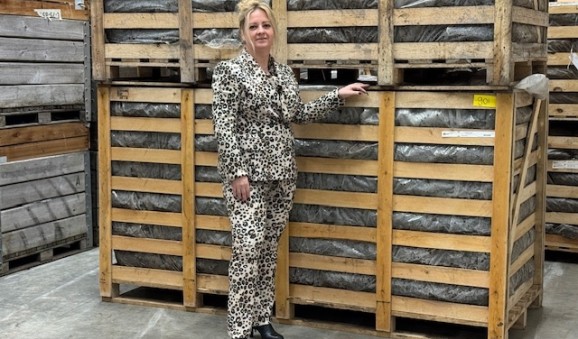
BCT Treehub Cold Store offers significant added value
Business Centre Treeport, located near the Belgian border at Hazeldonk along the A16 motorway, offers the tree nursery industry a wide range of facilities. One of these is a cold store. Centrally located between the ports of Antwerp and Rotterdam, this is an ideal location for producers, traders, importers and exporters, growers and nurseries to safely store and cool their products. BCT Treehub Cold Store has been operational since February 2022. GGP.News spoke with director Chantal van Kuyck.
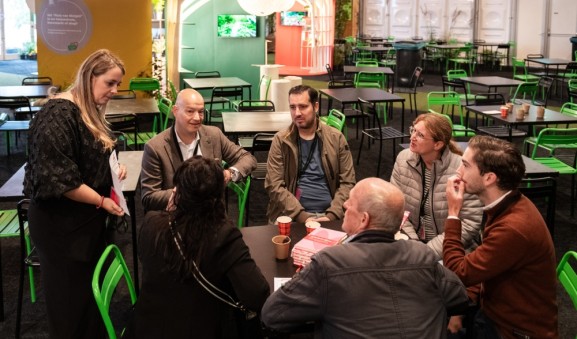
Jury for the Jan van Dongen Prize and Jac. Lodders Prize ready for GrootGroenPlus 2026
Today, the jury for the Jan van Dongen Prize and the Jac. Lodders Prize met to prepare for the 36th edition of the GrootGroenPlus trade fair. This year, the trade fair will take place from 30 September to 2 October. On Wednesday, the jury members will visit the stands to select the best entries in two categories: the Jan van Dongen Prize for the best supplier and the Jac. Lodders Prize for the best green participant.

Growers' Pride: Cortaderia Tiny Pampa
The large white plumes of pampas grass are hard to miss. And so, usually, is the plant itself. Cortaderia can easily develop into a substantial clump and therefore needs space. Tiny Pampa does exactly the opposite. At around 60 centimetres including its plumes, this Cortaderia remains remarkably compact while retaining the characteristic appearance that makes pampas grass so distinctive. It is precisely this combination that makes Tiny Pampa a plant Van Vliet New Plants is proud of.

‘One in 250: that’s when you know you’ve found something special’
Of the hundreds of new plants Peter Kroes sees, many are rejected almost immediately. Not because they are bad plants, but because ‘good’ is simply no longer good enough. The market is crowded, which means that the bar is being raised continuously. Every now and then, however, something comes along that immediately catches the attention of the director of Van Vliet New Plants. ‘Maybe one in 250. That’s when you think: wham, this is the one.’
Sustainability and collaboration take centre stage at GrootGroenPlus 2026
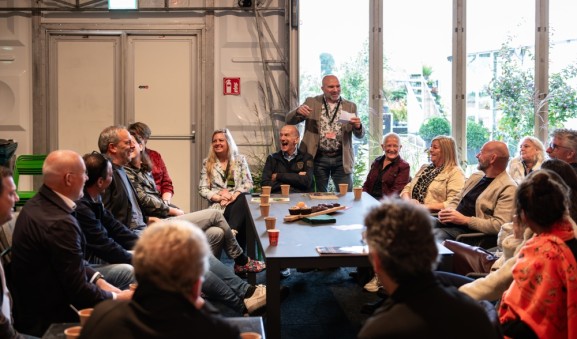
From 30 September to 2 October 2026, the 36th edition of GrootGroenPlus will take place at the BCT site near the Hazeldonk border crossing in the municipality of Zundert. This year, the international trade fair for the tree nursery industry is entirely dedicated to the theme Growing Together. With this theme, the trade fair emphasises the importance of collaboration, innovation and a sustainable future for the tree nursery industry and the wider green industry.
KVBC inspects new varieties at GrootGroenPlus
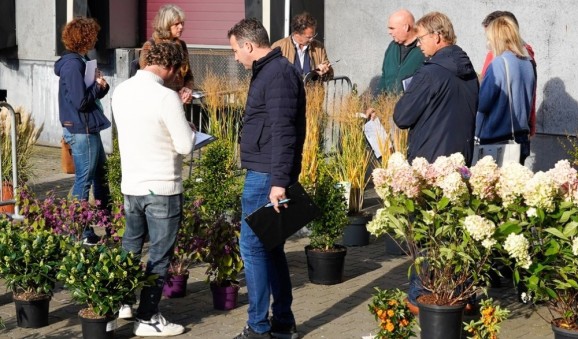
Introducing a new cultivar is an important moment for a grower or breeder. It is often preceded by years of crossing, selecting and growing. An independent assessment shows the qualities of such a new plant and what it adds to the existing assortment. This year, the Koninklijke Vereniging van Boskoopse Culturen (KVBC) will once again be present at GrootGroenPlus to independently assess new plants.
Dutch ornamental plant industry sounds alarm bell: scrap the VAT increase on flowers and plants
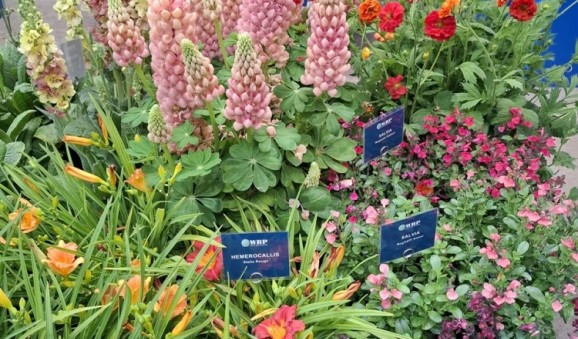
The Dutch ornamental plant industry is sounding the alarm bell as the government stands by its plan to increase VAT on flowers, plants, trees and bulbs from 9 to 21 per cent. The measure will make greenery more expensive, harm businesses throughout the supply chain and is counteractive to ambitions for sustainability, greening, health and wellbeing. The industry is therefore urgently calling on coalition and opposition parties in the House of Representatives and the Senate to scrap the VAT increase. This measure runs counter to greening ambitions and will result in hundreds of millions of euros in economic damage.
GrootGroenPlus 2026 Buyers Programme attracts international interest
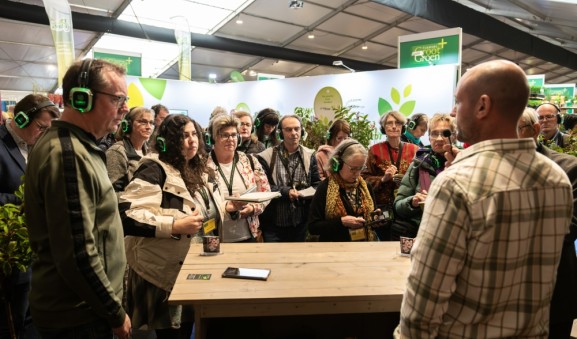
The GrootGroenPlus 2026 Buyers Programme is once again attracting considerable international interest this year. Managers and buyers from garden centres and garden centre chains, wholesalers, landscaping companies, government organisations and trade associations from numerous countries have registered for this special programme.

'Collaboration' is the key word for Marjolein Kloek
A few months ago, Marjolein Kloek (43) was appointed managing director of Stichting Nationale Boomfeestdag, an organisation with which GrootGroenPlus has maintained close ties for many years. High time to get to know her better.
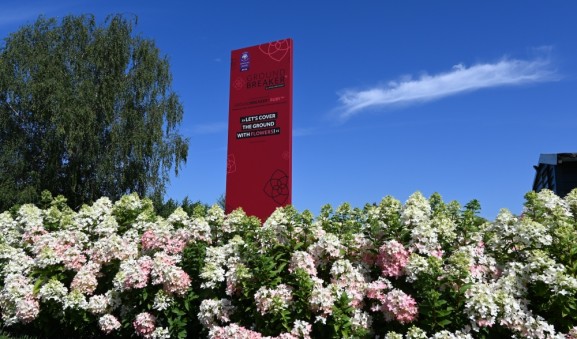
Growers' Pride: Groundbreaker - The Power of Three
At first glance, the name Groundbreaker immediately makes sense. During flowering, these compact hydrangeas create an almost continuous carpet of blooms, combining exceptional flower coverage with a neat, uniform growth habit. What started as a single outstanding selection has evolved into a complete collection of three varieties: Groundbreaker Blush, Groundbreaker Ruby and Groundbreaker Greeny. Together they form The Power of Three—one collection in which each variety has its own colour and character while delivering the same consistent quality and garden performance.
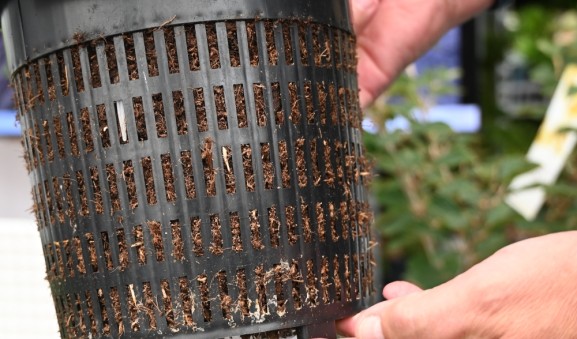
"Let's see how it works somewhere else first"
Introducing new technology into the nursery industry sometimes requires almost as much patience as growing a tree. TTS is introducing a new pot system designed to improve root development through air pruning. Rob Tolenaars of TTS and John van den Bosch, who works for Telermaat and represents TTS, have become familiar with the typical first response from growers: interesting, but let's see if it actually works first.
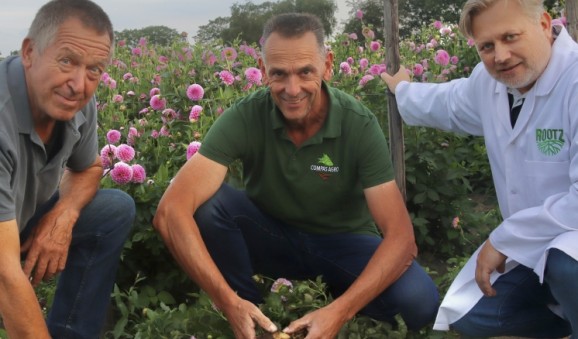
Joint research by Bloemencorso Zundert, Compas Agro Zundert, ROOTZ and VARTA into the presence of Pythium in dahlia tubers
Over the past few weeks, not all dahlia fields have been looking equally healthy. Growth was lagging behind in several plots and flower production was lower than expected. To quickly determine whether this was caused by the Pythium fungus or by the persistent drought, Compas Agro Zundert and VARTA conducted research in the ROOTZ laboratory.
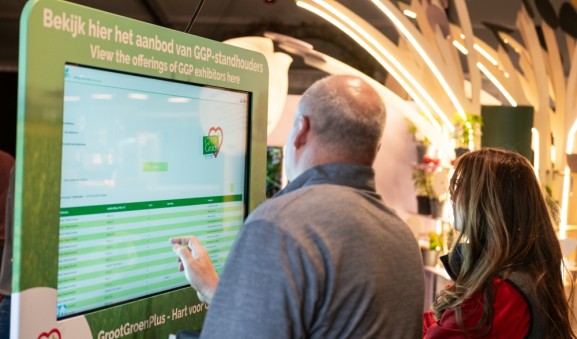
Growing Together; increasing visibility together since 2017!
GrootGroenPlus and Varb will once again collaborate on the digital trade fair during the 36th edition in 2026. Participants can increase the online visibility of their current offering through the GGP channels. This year, there will be an additional focus on service: Varb will provide participants with personal assistance to help them optimise their online visibility.
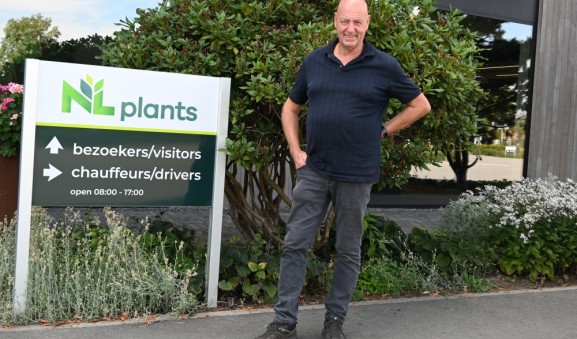
‘If you want certainty, you also have to make a commitment’
Marc Lodders expects NL Plants to grow again this year. The company has built up a strong position in native plant material and selected material for European forestry. Particularly now that certain plants and origins are not always available, Lodders is noticing that customers want to plan further ahead. Reservations are possible, as is production on demand. But the risk should not lie solely with the grower.
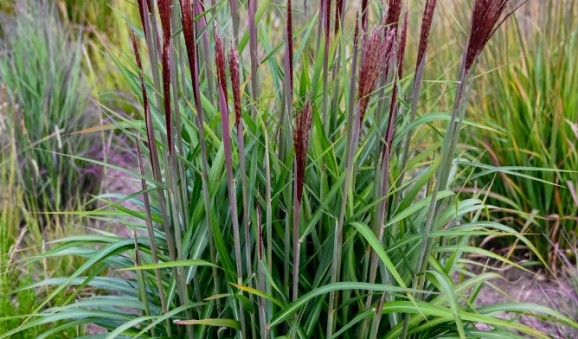
Miscanthus 'Piccolo Rubino' PBR in the spotlight at Green is Life Warsaw
Miscanthus sinensis 'Piccolo Rubino' is a striking new ornamental grass, combining a compact habit with ruby-red plumes and distinctive blue-grey stems. Flowering starts in late August, while the strong, upright growth keeps the plant neat and compact. Reaching around 1.2–1.3 metres in height, 'Piccolo Rubino' is particularly well suited to smaller gardens and container planting.
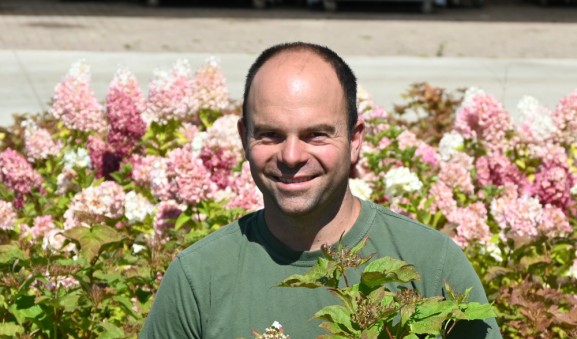
Growing without limiting yourself
Boomkwekerij Verpaalen is expanding in acreage, production and customer base. But for Hein Verpaalen, growth is not simply about producing more plants. Expansion should primarily create room to make better choices – in cultivation, in the assortment and for the customer. ‘The right plant for the right customer, that’s what it’s ultimately about.’
Treeport expands its reach through GGP.news
Treeport has joined GGP.news. This gives the cooperative association an additional platform to bring projects, knowledge and developments from the tree nursery industry to the attention of a broader group of professionals. According to manager David Bömer, the collaboration fits well with Treeport’s position within the industry. “We have a strong network of our own, but we would like to reach people beyond that network.”

Natuur & Milieu calls on government to use greenery as a heat shield
Summer is not over yet, but one thing is clear: extreme heat is no longer an exception. We have experienced it time and again over the past few months. Hot streets, homes that struggle to cool down and neighbourhoods where shade is hard to find. Especially in neighbourhoods with a lot of paving and little greenery, heat lingers. Here, the perceived temperature can rise to as much as 45°C. Too hot to exercise outdoors, work, meet others, relax or play.
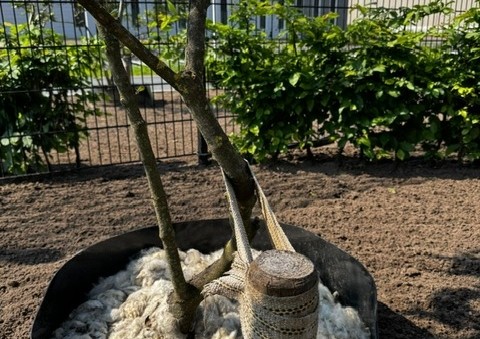
Sheep’s wool instead of plastic anti-root fabric: an interesting experiment
Weeds are something growers want to avoid at the nursery, which is why anti-root fabric is used. However, this is generally made of plastic. Treeport’s Agrobiodiversity working group is experimenting with an alternative. GGP.News spoke with working group member Joyce Oomen about the project. Oomen emphasises that this really is still an experiment: could sheep’s wool be a suitable replacement for plastic anti-root fabric?
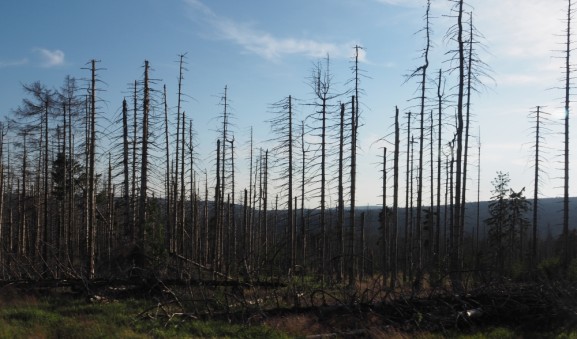
Heat could spell the end for Norway spruce in the Ardennes
Persistent heat and drought are leaving increasingly visible marks on Europe’s forests. Familiar tree species such as beech, birch, oak and lime are under pressure. For the Norway spruce in the Ardennes, the situation is even more serious. If several more extremely dry summers occur in the coming years, these characteristic spruce forests could largely disappear within a decade.
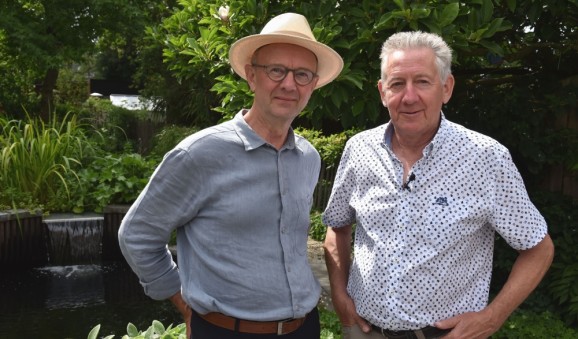
Sixth season of ‘Van droom tot tuin’ on Eclips TV and PlattelandsTV starting at 27 September
From Sunday 27 September, ‘Van droom tot tuin’ will once again be broadcast on Eclips TV and PlattelandsTV. For the sixth season, presenter Gil Claes and garden expert Marc Verachtert travel through the five Flemish provinces. They visit more than twenty different garden projects and witness how professional landscape contractors turn dreams into high-quality outdoor spaces.
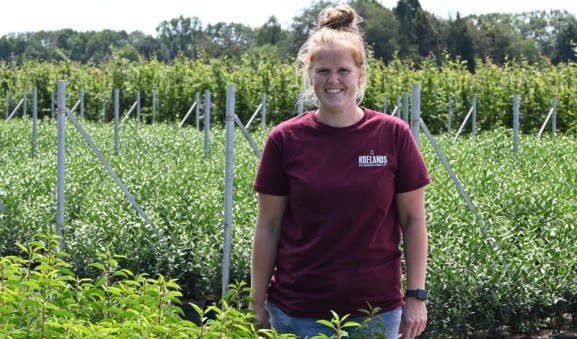
Rooted in the Profession, Focused on the Future
At Roelands Boomkwekerijen, craftsmanship and innovation go hand in hand. Rowy Roelands is not chasing spectacular growth. Instead, she is building a nursery that becomes stronger, smarter and more resilient—step by step.
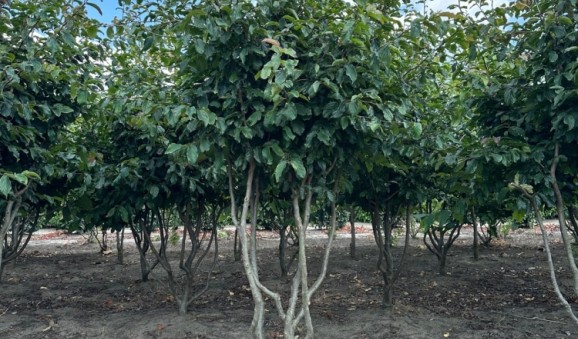
Growers’ Pride: Parrotia persica ‘Bella’
A beautiful multi-stemmed tree is about more than just the species. Its structure, branching and the balance between the individual stems are equally important. For Growers’ Pride, Boomkwekerij Peter Verhoeven in Haaren presents the multi-stemmed Parrotia persica ‘Bella’: a distinctive tree that combines shape and colour throughout the seasons.
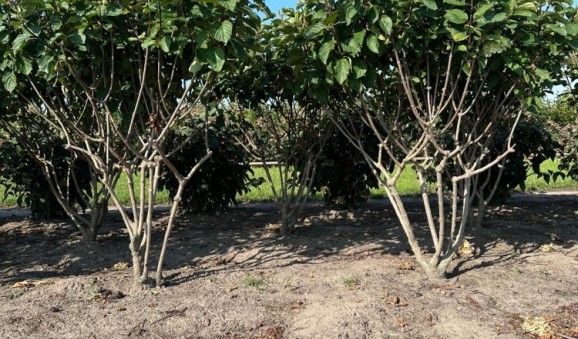
Growers' Pride: Hydrangea paniculata ‘Polar Bear’
Anyone familiar with Hydrangea paniculata ‘Polar Bear’ merely as a compact garden shrub may be surprised by the plants grown at Boomkwekerij Peter Verhoeven in Haaren. Here, this panicle hydrangea is trained as a substantial multi-stemmed specimen. Supplied at a height of 140–160 centimetres with a wire root ball, it immediately adds volume, structure and flowers to a planting scheme.

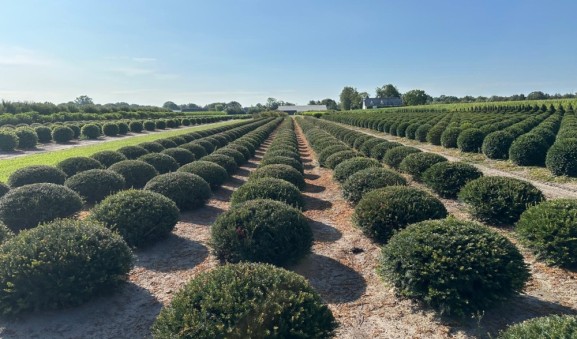
Growers’ Pride: Viburnum davidii
Some plants do not need an extravagant display of flowers to stand out. Viburnum davidii owes much of its ornamental value to its sturdy, dark-green foliage. The prominent veins give every leaf a distinctive texture, while the low and spreading habit creates a strong, compact appearance. It is a shrub that provides volume, colour and structure throughout the year.
Quality Always Prevails
"You should take a little more time for yourself," his wife tells him regularly. Peter Verhoeven smiles when he says it. He turns sixty this November and, in fact, he would like to slow down a little. "But somehow I feel like I'm working more than ever."

Growers' Pride: Hakonechloa macra
Ornamental grasses are usually associated with sunshine and open borders. Hakonechloa macra proves that there is another possibility. This Japanese forest grass thrives in places where many other grasses are less successful: in partial shade, beneath trees and shrubs or beside a sheltered terrace.

Grower's Pride: Hydrangea paniculata ‘Vanille Fraise’
Hydrangea paniculata ‘Vanille Fraise’ is a plant that continues to attract attention as the season progresses. Its large, cone-shaped flower panicles emerge creamy white in summer, gradually developing a soft pink blush. As the flowers mature, their colour deepens to an intense strawberry pink and sometimes even rich reddish shades. With younger and older flowers present simultaneously, the plant displays a striking combination of colours.
Why do we do things this way?
A good grower and a good entrepreneur are rarely the same person. One finds satisfaction in producing the perfect crop, while the other focuses on building a future-proof business. At Hergo Nursery in Zundert, these two worlds seem to come together remarkably well.
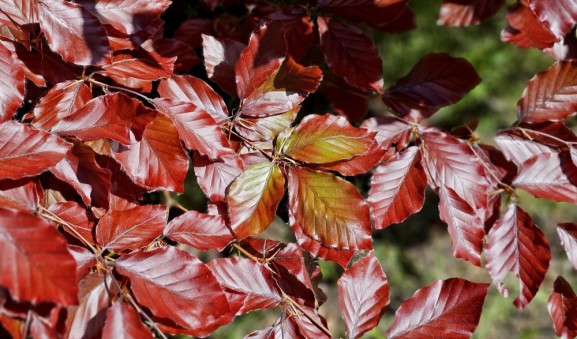
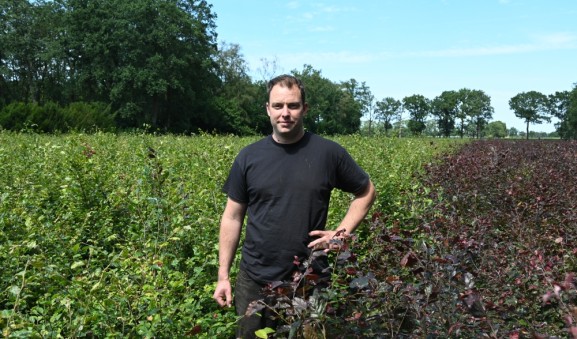
Growers’ Pride: Fagus sylvatica ‘Atropunicea’
With its deep reddish-brown foliage, Fagus sylvatica ‘Atropunicea’ is a distinctive product within the forestry and hedging range of Hergo Boomkwekerij. At its nursery in Zundert, the red beech is carefully raised from seed. This allows Hergo to control the entire growing process, from young plant material to a strong and uniform final product.
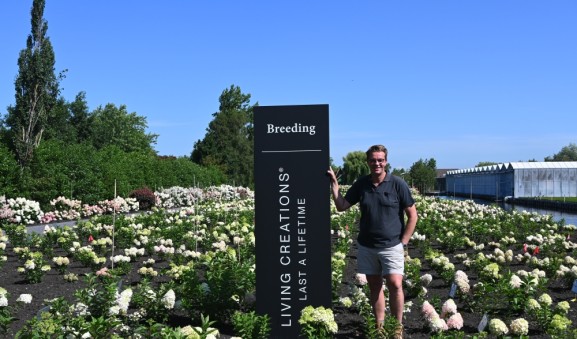
Success is no coincidence. Not even in tree nurseries.
For years, tree nursery cultivation revolved around one central question: how do we develop better plants? Stronger genetics, richer flowering, improved disease resistance and more ornamental value. Every new cultivar had to outperform the previous one. That pursuit still forms the foundation of Living Creations. Even after fifteen years, Alex Schoemaker considers himself first and foremost a breeder.
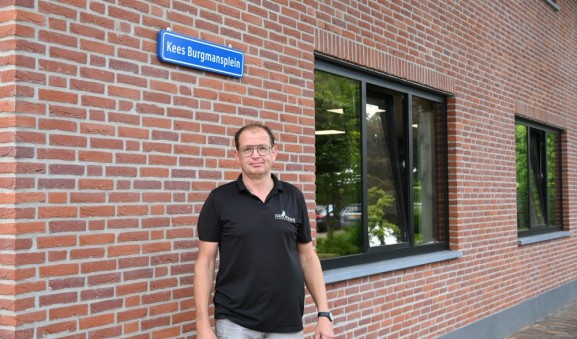
Kees Burgmans: ‘Extreme weather requires a different way of doing business’
Snow in spring, a dry spell, followed by tropical heat. The past season once again demanded a great deal from tree nurseries. Yet Kees Burgmans of Kwekerij Burgmans in Haaren looks back on the first half of the year with satisfaction. The market remained surprisingly stable. According to him, the biggest challenge does not lie on the sales side, but in how entrepreneurs prepare their businesses for an increasingly unpredictable climate. He sees GrootGroenPlus as the perfect moment to look ahead together.
Joost Sterke: ‘The biggest challenge? Not the market, but the people’
The market for trees and hedge plants remains healthy. Joost Sterke has no doubt about that. According to him, the real challenges for the coming years lie elsewhere: in securing enough skilled workers, further mechanisation, and adapting to stricter requirements regarding water management and crop protection. He sees GrootGroenPlus as the event where the industry both reflects on the past season and looks ahead to the next.
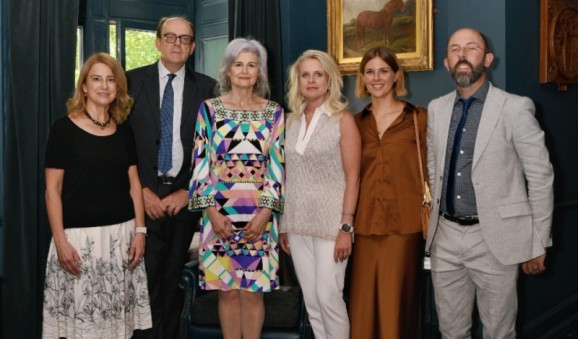
Italian horticulture strengthens ties with the United Kingdom
The Italian ornamental horticulture sector confirms the strategic importance of the UK market with an export value of €43 million in 2025 (+1.3% compared to 2024). During the London edition of Green Agorà, organised by Greenitaly (Fiere di Parma), the Italian Trade Agency (ITA) and the Italian Embassy, key figures from the sector came together to discuss growth, sustainability and the impact of climate change.
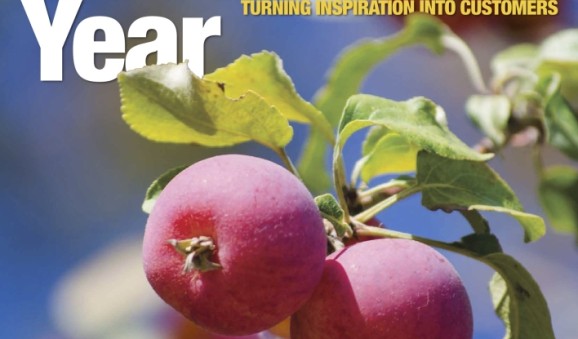
HTA launches autumn campaign: Make your garden a success, both this year and the next
Whilst the summer heat is still in the air, the horticultural sector is already looking ahead to autumn and even Christmas. But this period isn’t about winding down; it’s about seizing opportunities. The Horticultural Trades Association (HTA) is therefore launching the next phase of its ‘Your Garden Year’ campaign under the banner ‘Making the most of now and next year’.
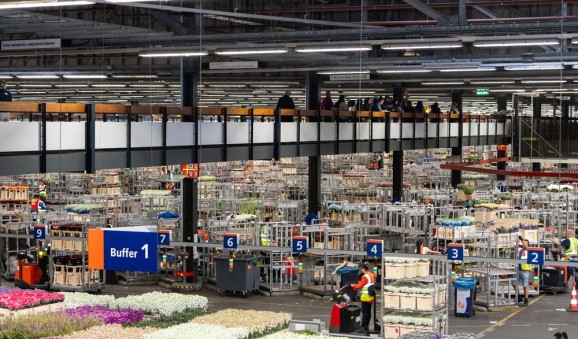
Flower and plant market shows resilience in a challenging second quarter of 2026
Amid a period of economic uncertainty, geopolitical tensions and fluctuating consumer confidence, the floriculture sector is holding its own. In Q2 2026, Royal FloraHolland traded 4.8% fewer flowers and plants than last year, whilst turnover fell by 2.7%. The limited decline in turnover compared to the drop in volume shows that pricing remained stable in many product groups.
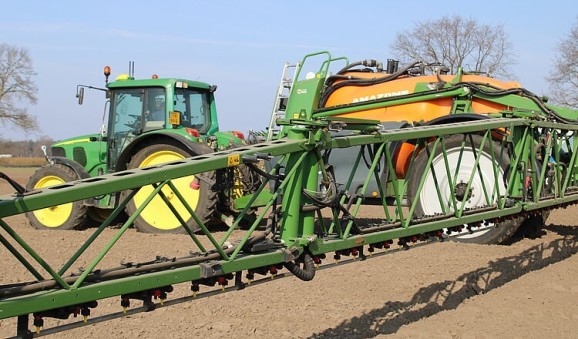
Update on the Crop Protection Covenant (Convenant Gewasbescherming)
Last week, the administrative consultation on the Crop Protection Covenant took place. Feedback from the members' webinar held on 2 July was incorporated into the process leading up to the covenant.

The Evolution Garden at the Natural History Museum in London
Anyone who loves dinosaurs is bound to be thrilled by the Natural History Museum in London. The venerable, almost cathedral-like building houses a wealth of fossils as well as dinosaur skeletons. The museum demonstrated its innovative spirit by commissioning two new gardens: the Nature Discovery Garden and the Evolution Garden.

Urgent call for better water restrictions for the UK’s green sector
The Horticultural Trades Association (HTA) and the British Association of Landscape Industries (BALI) are calling on the UK government to adjust the water restrictions. In a joint letter to Minister Emma Hardy, they warn that the current measures – such as South East Water’s temporary ban on water use following the heatwave – are causing unnecessary harm to businesses in the green sector. This sector, which represents 3,800 businesses, plays a crucial role in combating climate change through urban greening, flood prevention and heat resilience.

Boomkwekerij Maarten van Overbeek continues as Overbeek Bomen
As of 6 July, Boomkwekerij Maarten van Overbeek will continue under the name Overbeek Bomen. According to the company, the new name better reflects the development the organisation has undergone in recent years.

National crisis exercise on quarantine organisms
What is the Japanese beetle is found somewhere… how can a crisis be averted? On Friday 19 June, this fictional scenario was practiced with entrepreneurs, representatives of industry organisations and governmental authorities.
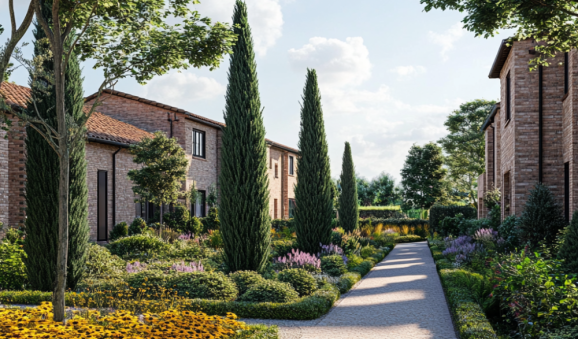
“We Love Conifers” launches its first consumer campaign with a Tuscan theme
Twelve conifer growers have joined forces to reposition the conifer as the essential plant for modern, climate-resilient gardens and public spaces. The initiative offers a solution to increasing urbanisation and the growing demand for sustainable, year-round greenery.
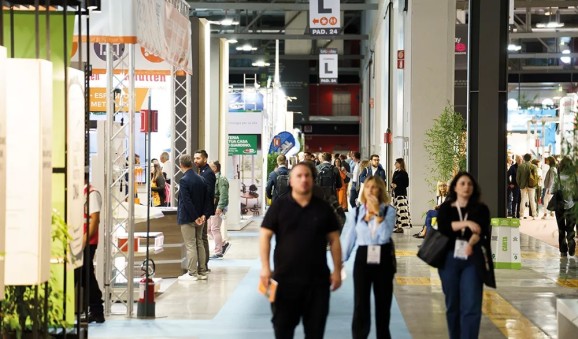
Garden sector continues to grow: Italian DIY market embraces greenery, wellbeing and innovation
The garden industry within Italian DIY superstores remains one of the most dynamic and forward-looking segments of the market. In the first quarter of 2026, the category achieved a turnover of €130.6 million, representing growth of 8.3% compared to the same period a year earlier. This confirms the garden industry’s role as a strategic growth driver within the DIY industry, at a time when other segments are under pressure. This is reported by the Italian trade fair Bricoday, to be held at Fiera Milano–Rho on 23–24 September 2026, based on Nielsen Q measurements.
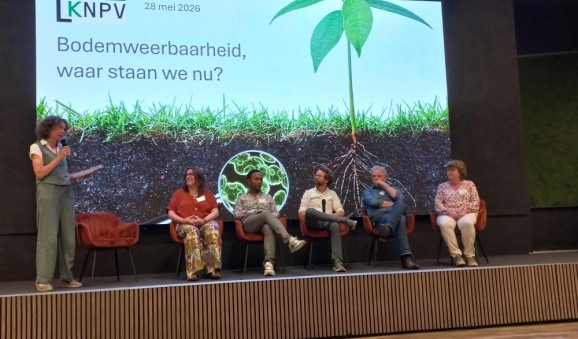
Soil resilience: where do we stand now?
On 28 May 2026, the Royal Dutch Phytopathological Society (KNPV) held a well-attended meeting on the theme of soil resilience. Over 150 professionals and students in the field of plant health took part. Soil resilience plays a major role in plant health. The soil and soil life of a particular plot largely determine whether a plant growing there is more likely to fall ill or, conversely, is more resilient to certain pathogens. A system comparable to the functioning of the gut microbiome in humans.
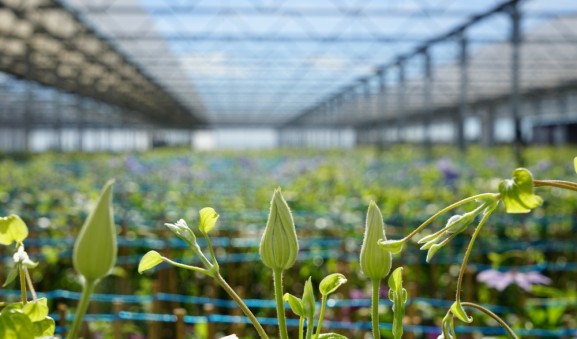
Priorities for the horticultural industry in France
Global trade in ornamental plants is characterised by stark contrasts between dynamic exporting regions and major import markets facing economic pressures. By 2026, the European ornamental plant industry will be operating in a paradoxical context: public demand for plants remains strong, but at the same time businesses must contend with rising energy and cultivation costs, labour shortages, regulation, climate change and rapidly changing customer expectations.
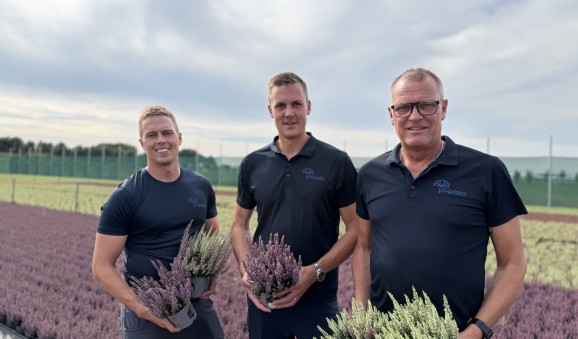
Fourth Generation Have Taken Over Solgården
At the ornamental plant company Solgården in southern Sweden, a generational transition was officially completed in January. The new owners have been active within the company for many years and will continue to build on the strong brand that Solgården has become since its founding in 1958.